
Full Mouth Reconstruction in Bloomington, MN: What to Expect
Full mouth reconstruction is a comprehensive treatment plan that rebuilds or restores all of the teeth in both the upper and lower jaws, often combining several procedures such as crowns, bridges, implants, and gum treatment. It is used when a person has widespread damage from decay, injury, wear, or missing teeth that affects how they eat, speak, or feel about their smile. Unlike a single filling or crown, a reconstruction is sequenced over multiple visits and coordinated so that function, bite, and appearance are restored together.
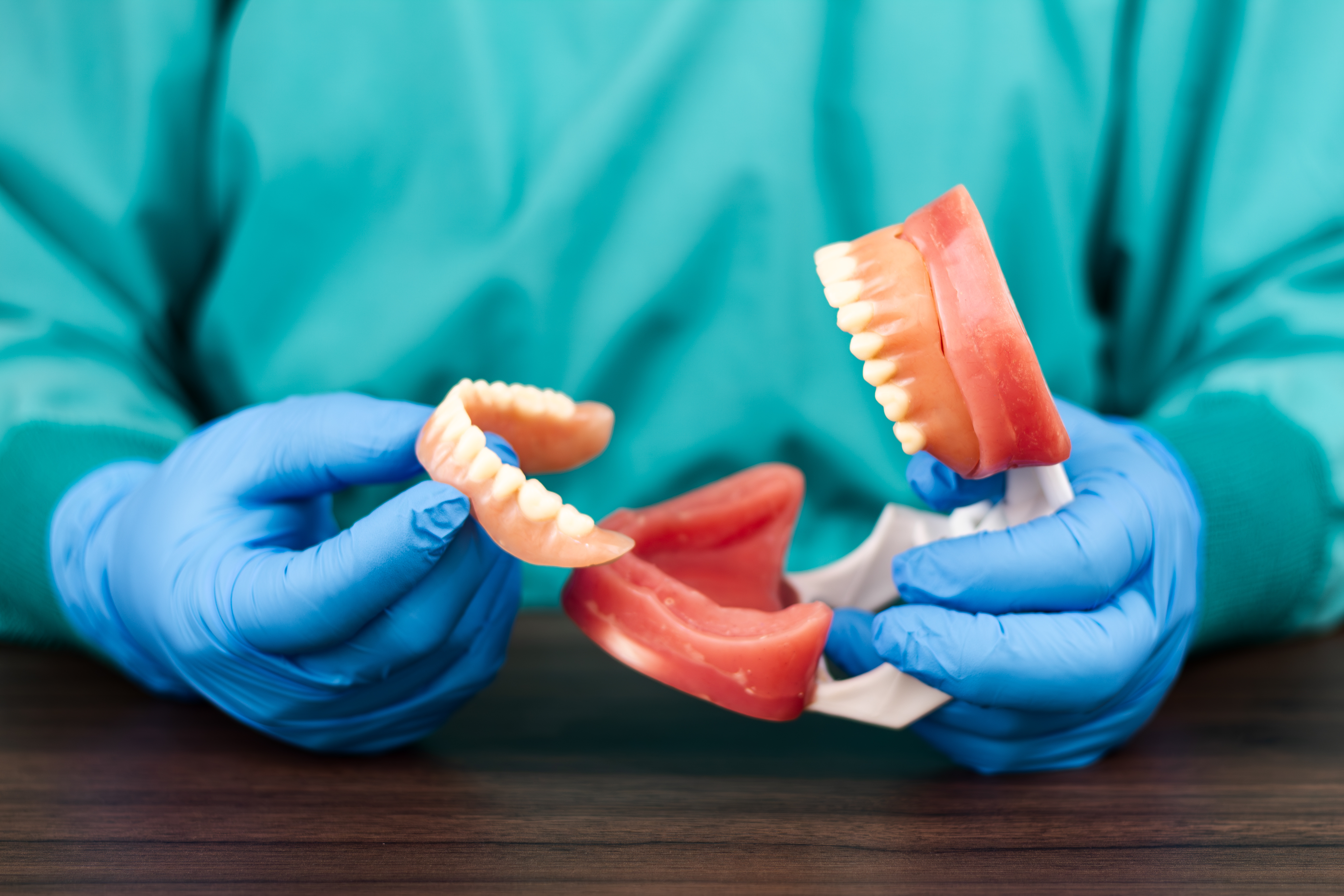
What Is Full Mouth Reconstruction?
Full mouth reconstruction (sometimes called full mouth rehabilitation) is not one procedure but a customized combination of restorative and cosmetic treatments planned around your specific needs. A dentist evaluates every tooth, the gums, the jaw joints, and the way your teeth come together, then builds a step-by-step plan to bring the whole mouth back to health and stability. It differs from a smile makeover, which is primarily elective and cosmetic; reconstruction addresses underlying dental health and function first, with aesthetics as a natural result.
Who Needs Full Mouth Reconstruction?
You may be a candidate for full mouth reconstruction if you have a combination of the following:
- Multiple missing, broken, or severely worn teeth
- Extensive tooth decay affecting several teeth at once
- Teeth damaged by injury or long-term grinding (bruxism)
- Ongoing jaw, muscle, or bite pain related to how the teeth meet
- Old restorations — fillings, crowns, or bridges — that are failing together
- Gum disease that has compromised the support around the teeth
Because these problems tend to compound one another, treating them as a coordinated whole usually produces a more stable, longer-lasting result than addressing each tooth in isolation.
What Treatments Are Involved?
Every plan is different, but full mouth reconstruction commonly draws from a menu of restorative dentistry procedures, including:
- Dental crowns to cover and strengthen damaged or heavily filled teeth
- Tooth-colored fillings to treat decay while preserving natural tooth structure
- Bridges or implants to replace missing teeth and restore chewing function
- Gum (periodontal) therapy to rebuild a healthy foundation before restorations are placed
- Bite adjustment or night guards to protect the new work from grinding and clenching
- Porcelain veneers where cosmetic refinement is part of the goal
What Is the Typical Process and Timeline?
Full mouth reconstruction is a phased process rather than a single appointment. In most cases it follows a predictable sequence:
- Comprehensive exam and records — X-rays, photographs, impressions or digital scans, and a bite analysis
- Diagnosis and planning — the dentist maps out which teeth need what, and in what order
- Stabilization — urgent problems such as decay, infection, or gum disease are treated first
- Restoration — crowns, bridges, implants, and other work are completed in planned stages
- Refinement and maintenance — the bite is fine-tuned and a long-term care plan is set
Depending on complexity, the full process can take anywhere from a few months to a year. Your dentist can give you a realistic timeline once the plan is finalized, and many patients are able to sequence treatment around their schedule and budget.
How Much Does Full Mouth Reconstruction Cost?
There is no single price for full mouth reconstruction because the cost depends entirely on how many teeth are involved and which procedures are needed. A plan built mostly around fillings and a few crowns costs far less than one involving multiple implants and extensive gum treatment. The most reliable way to understand cost is a consultation where each recommended procedure is itemized. Many practices, including ours, can help you phase treatment and coordinate with dental insurance to make the investment more manageable.
Why Treating the Whole Mouth Together Matters
A key insight patients often miss is that teeth function as a system. When several teeth are compromised, the bite redistributes force unevenly, which can accelerate wear, cracking, and jaw strain. Restoring teeth one at a time — without accounting for how the whole bite fits together — can leave that underlying imbalance in place. Comprehensive planning lets the dentist rebuild not just individual teeth but the relationship between them, which is what protects the investment over the long term. If you are dealing with more focused damage, our guide to dental crowns and how they restore a single tooth may be a better starting point
Talk to a Bloomington, MN Dentist About Full Mouth Reconstruction
Bloom & Smile Dental Care serves Bloomington and the surrounding communities of Edina, Richfield, Eden Prairie, and Minneapolis. If widespread dental problems are affecting how you eat, speak, or smile, Dr. Elena Opare, DDS and our team can evaluate your needs and build a personalized reconstruction plan. You can also explore our full range of restorative dentistry services to learn more.
Schedule a consultation at Bloom & Smile Dental Care today.